Casement doors, also called hinged doors, are a functional design element that brings style and practicality to both residential and commercial settings. Operating similarly to casement windows, they are attached to a frame by side hinges, allowing them to open either inward or outward. This design makes casement doors an excellent choice for creating seamless transitions between indoor and outdoor spaces like patios, balconies, gardens, or terraces. Their ability to combine unobstructed views, ample natural light, and versatile functionality makes them a timeless choice for various architectural styles.
Key Features of Casement Doors
Hinged Design: Casement doors swing open on side hinges, making them easy to operate. Available in single or double-panel configurations, they cater to various space requirements, with double-panel doors offering a grand, dramatic entrance.
Versatile Functionality: Casement doors can open inward or outward, depending on space availability and user preference. This flexibility makes them adaptable to different layouts and climates.
Advantages
Seamless Indoor-Outdoor Connection: Casement doors create a natural flow between interiors and exteriors, making patios, decks, or gardens feel like an extension of the living space.
Increased Natural Light: The expansive glass panes let in abundant sunlight, brightening interiors and enhancing the sense of spaciousness.
Ease of Use: Equipped with user-friendly handles and locking mechanisms, casement doors are straightforward to operate while ensuring security.
Aesthetic Appeal: The sleek and elegant design complements both contemporary and traditional architecture, adding a touch of sophistication to any property.
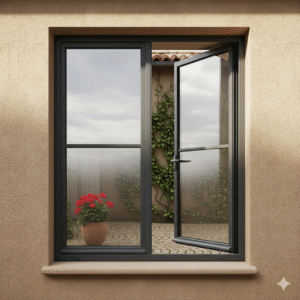
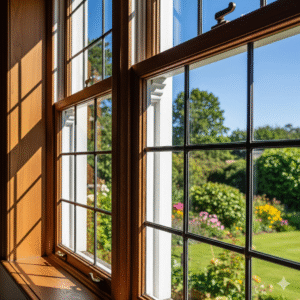
Casement windows are a versatile and popular choice for both traditional and contemporary homes, characterized by their hinged design that allows them to swing outward or inward. They are typically operated using a handle, making them convenient to open and close. These windows are especially favoured for their excellent ventilation, unobstructed views, and energy efficiency.
Key Features of Casement Windows
Full Opening Mechanism: Casement windows are designed to open fully on side hinges, allowing maximum airflow and ventilation into the room.
Effective Ventilation: The outward-opening design enables the window to catch and direct breezes into the interior, making them an excellent choice for airflow.
Energy Efficiency: A tight seal around the frame when closed helps prevent drafts, enhancing insulation and energy savings.
Security: The embedded locking mechanism, typically integrated into the frame, provides robust security and makes it harder to force open.
Versatile Styles: Casement windows come in various configurations, including single, double, or multi-panel designs, suitable for different architectural styles.
Advantages
Unobstructed Views: Casement windows lack a centre rail, offering clear, panoramic views of the outdoors.
Ease of Use: The crank mechanism simplifies operation, making them ideal for hard-to-reach areas like above counters or sinks.
Abundant Natural Light: With large single-pane glass options, casement windows maximize the entry of natural light into interiors.
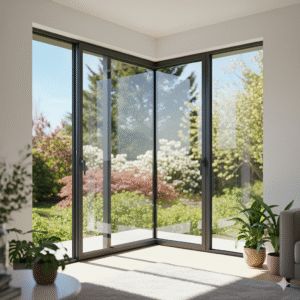
A Corner Sliding Door is a sleek and innovative design that seamlessly connects indoor and outdoor spaces without the obstruction of a corner post. These doors slide along tracks on two adjacent walls, meeting at the corner and either stacking neatly or disappearing into wall pockets. This design allows for unobstructed views and creates a spacious, open-plan ambiance. Constructed with uPVC or aluminum frames, corner sliding doors offer durability, functionality, and modern aesthetics.
Advantages
Unobstructed Views: Ideal for showcasing scenic surroundings and creating a seamless indoor-outdoor connection.
Space Optimization: Sliding mechanism saves space compared to traditional swing doors.
Aesthetic Appeal: Sleek and modern design enhances the elegance of any property.
Flexibility: Suitable for large openings and adaptable to various architectural styles.
Weather Resistance: High-quality frames and glazing provide protection against wind, rain, and UV rays.
Easy Maintenance: Designed for minimal upkeep, retaining functionality and appearance over time.
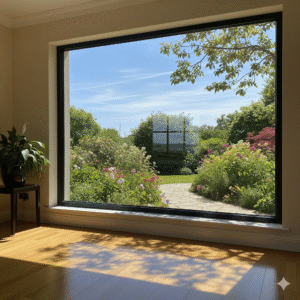
Fixed windows, also known as picture windows, are stationary windows that do not open or have any moving parts. Their primary purpose is to frame scenic outdoor views while allowing ample natural light to brighten the interiors. Ideal for both modern and traditional home designs, fixed windows are often installed in areas where ventilation is not a priority but aesthetics and illumination are key, such as living rooms, stairwells, or hallways.
Key Features of Fixed Windows
Stationary Design: As they are non-operable, fixed windows remain permanently closed, making them simple, durable, and low-maintenance.
Panoramic Views: Without obstructive sashes or frames in the middle, fixed windows provide clear, expansive views of the outside.
Energy Efficiency: With tight seals and no movable parts, fixed windows minimize air leaks, enhancing insulation and reducing energy costs.
Advantages
Low Maintenance: The absence of moving components reduces wear and tear, ensuring minimal upkeep and fewer repairs over time.
Cost-Effective: Without the additional hardware needed for operable windows, fixed windows are often more affordable.
Design Flexibility: Available in a wide range of shapes, sizes, and custom styles, fixed windows offer the freedom to create unique architectural designs.
Maximized Natural Light: The large glass panels allow abundant sunlight to flood into interior spaces, creating bright, welcoming environments.
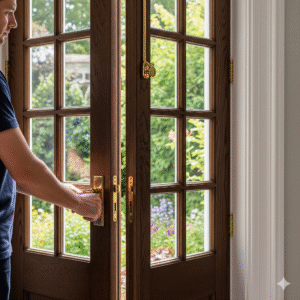
French doors are a classic and elegant addition to any home, known for their timeless design and ability to connect indoor and outdoor spaces. They consist of one or more pairs of doors with frames around large glass panes, allowing a generous amount of natural light to flood a room.
These doors typically open from the center, creating a wide and welcoming entryway. They’re a popular choice for patios, balconies, and decks, as they offer a seamless transition while still providing a clear view of the outdoors. French doors can also be used as interior dividers, adding a touch of sophistication between rooms like a living room and dining room.
Advantages of French Doors
The main advantage of French doors is their unique combination of aesthetic appeal and practicality. They are an excellent choice for a number of reasons:
Abundant Natural Light: With their multiple glass panes, French doors allow a significant amount of sunlight to enter a room, making the space feel brighter, more open, and welcoming.
Enhanced Views: They provide a clear and expansive view of the outdoors, seamlessly connecting your interior living space to your patio, garden, or balcony.
Aesthetic Appeal: French doors have a classic, elegant design that adds a timeless sophistication to any home. They can be a beautiful focal point in a room.
Wide Opening: When both doors are open, they create a large, unobstructed passage. This is ideal for moving furniture or creating a wide entry point for guests during gatherings and parties.
Improved Ventilation: The wide opening allows for excellent airflow, which can help to cool down a room and bring fresh air inside.
Versatility: They can be used in various applications, from leading to a backyard or balcony, to acting as a stylish room divider between indoor spaces like a living room and a dining room.
French windows, often confused with French doors, are a specific type of window that opens like a door. They typically have two sashes that open outward from the center, without a central mullion, providing a wide and unobstructed opening. This design allows for maximum light and ventilation, effectively bringing the outdoors in.
French windows are installed at a higher level, like a typical window. They are a great way to add charm and character to a home while still offering a functional and aesthetically pleasing feature. The design is a nod to classic European architecture and can enhance both the interior and exterior of a building.
Advantages of French Windows
The primary advantages of French windows are related to their unique design, which offers both beauty and functionality:
Superior Ventilation: With two sashes that open completely from the center, French windows provide a large, open space for maximum airflow. This is perfect for ventilating a room quickly and efficiently.
Unobstructed Views: Unlike windows with a central frame, French windows offer a completely clear, panoramic view when open. This creates a strong connection between the indoors and the outdoors.
Aesthetic Charm: They have a classic, elegant appearance that adds a sophisticated touch to any home’s exterior and interior. Their design is timeless and can increase a property’s appeal and value.
Abundant Natural Light: The large glass panes allow sunlight to stream in, making the room feel more spacious, bright, and airy.
Versatility: While they serve a similar purpose to a traditional window, their wide opening can also function as a small balcony or a “Juliet” balcony, especially when used in upper-floor rooms.
Georgian bars, also known as window grilles or grid bars, are decorative elements used to mimic the appearance of traditional divided-pane windows. They provide the charm and elegance of period architecture while retaining the benefits of modern glazing technologies.
Key Features of Georgian Bars
Timeless Aesthetic: These bars divide the window visually into smaller panes, evoking the historical style of Georgian and Victorian architecture.
Flexible Placement: Georgian bars can be positioned in various ways:
Internally Fitted: Bars are embedded between the glass panes for a clean, low-maintenance appearance.
Externally Fitted: Bars are attached to the window’s surface, giving a more authentic, textured look.
Double-Glazed Integration: Bars are placed between two panes of insulated glass, maintaining energy efficiency.
Advantages
Elegant Design: Georgian bars enhance the visual appeal of both modern and traditional windows, blending classic style with contemporary functionality.
Curb Appeal: These bars add character to a home’s exterior, particularly in heritage properties or homes with period-style architecture.
Easy Maintenance: Internal bars simplify cleaning by eliminating external grids.
Durability: Made from materials like aluminium or PVC, Georgian bars are built to withstand weather and wear.
Glass-to-glass windows, also known as corner or butt-glazed windows, are a hallmark of modern architecture. These windows feature two glass panes that meet seamlessly at a corner or edge, eliminating the need for a traditional frame between them. The result is a sleek, minimalist aesthetic that emphasizes expansive views and natural light, making them an excellent choice for contemporary spaces.
Key Features of Glass-to-Glass Windows
Seamless Design: Two glass panes are joined at the edge with minimal seams or silicone for structural integrity, creating a frameless and modern look.
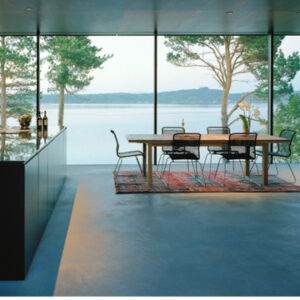
Uninterrupted Views: Without a corner frame, these windows offer a continuous, open view, enhancing sightlines and maximizing the connection to the outdoors.
Contemporary Aesthetic: The frameless design lends a sophisticated and minimalist style, ideal for high-end architectural projects.
Advantages
Enhanced Natural Light: With no obstructive frames, glass-to-glass windows flood interiors with daylight, creating an open, airy atmosphere.
Visual Continuity: These windows blur the boundaries between indoor and outdoor spaces, making them perfect for homes with scenic surroundings.
Architectural Appeal: Glass-to-glass windows serve as striking design features, adding a luxurious, custom touch to modern buildings.
Customizable Size and Shape: These windows can be tailored to fit specific architectural needs, accommodating both small corners and expansive glass walls.
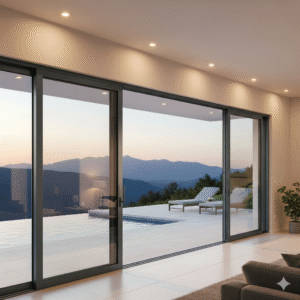
Lift and slide doors are an advanced version of sliding doors designed to handle large, heavy glass panels with ease. Their unique lifting mechanism allows for effortless operation while providing superior insulation and security when closed. These doors are perfect for wide openings, offering unobstructed views and a luxurious feel.
Key Features of Lift and Slide Doors
Lift Mechanism: A handle lifts the door off its track, enabling smooth gliding. Releasing the handle lowers the door, creating a tight seal.
Enhanced Sealing: The lifting system ensures an airtight seal when closed, improving energy efficiency and soundproofing.
Advantages
Seamless Indoor-Outdoor Transition: Sliding doors create a smooth flow between indoor and outdoor areas, ideal for patios and balconies.
Large Openings Made Simple: Lift and slide doors allow the use of expansive glass panels, creating a sense of grandeur.
Thermal Insulation: The tight seal improves energy efficiency, keeping interiors comfortable year-round.
Effortless and Quiet Operation: Even heavy doors move smoothly and quietly, thanks to the lift mechanism.
Panoramic Views: The large glass panels offer stunning, uninterrupted views.