

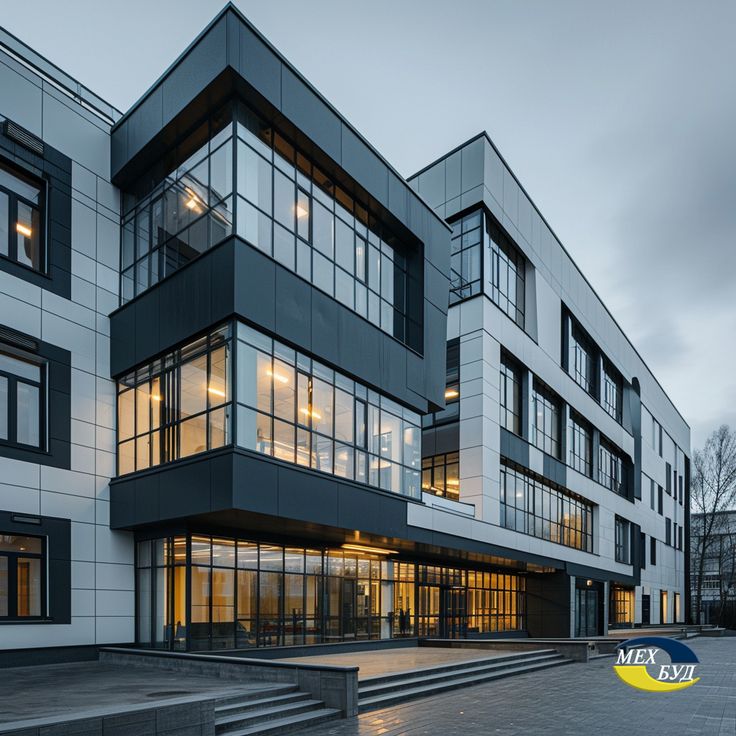
Aluminium Facade
An aluminum facade refers to the outer skin or cladding of a building that is constructed using aluminum. This material has become a cornerstone of modern architecture due to its unique combination of aesthetic and functional properties.
Aluminum facades are known for their sleek, contemporary appearance and versatility, allowing architects to create a wide range of designs, from elegant curtain walls with large glass panels to intricate patterns using perforated or composite panels.
Beyond its visual appeal, aluminum is an ideal material for facades because it is lightweight yet incredibly strong, highly resistant to corrosion, and requires minimal maintenance. It also plays a crucial role in a building’s energy efficiency, often integrated with advanced thermal systems to help regulate indoor temperatures. As such, it is a popular choice for both residential homes and commercial buildings around the world.
Advantages of Aluminium Facades
The advantages of using aluminum for building facades are numerous, making it a popular choice in modern construction.
- Lightweight and Strong: Aluminum is a very light material, which reduces the structural load on a building’s foundation. Despite its light weight, it is incredibly strong and durable.
- Corrosion Resistance: Aluminum naturally forms a protective oxide layer that makes it highly resistant to rust and corrosion. This is especially beneficial in coastal areas or regions with high humidity.
- Design Versatility: Aluminum can be easily shaped, molded, and finished in a wide variety of colors, textures, and patterns. This gives architects and designers immense flexibility to create unique and complex building exteriors.
- Low Maintenance: Because it doesn’t rust and is resistant to UV damage, an aluminum facade requires very little maintenance over its long lifespan, saving time and money on upkeep.
- Sustainability: Aluminum is a highly recyclable material. When a building is renovated or demolished, the aluminum can be recycled and reused without losing its quality, making it an environmentally friendly choice.
- Energy Efficiency: When used as part of a well-designed facade system, aluminum can improve a building’s thermal performance. Facade panels and curtain walls often incorporate insulation and thermal breaks to reduce heat transfer, helping to lower heating and cooling costs.



Reviews
There are no reviews yet.